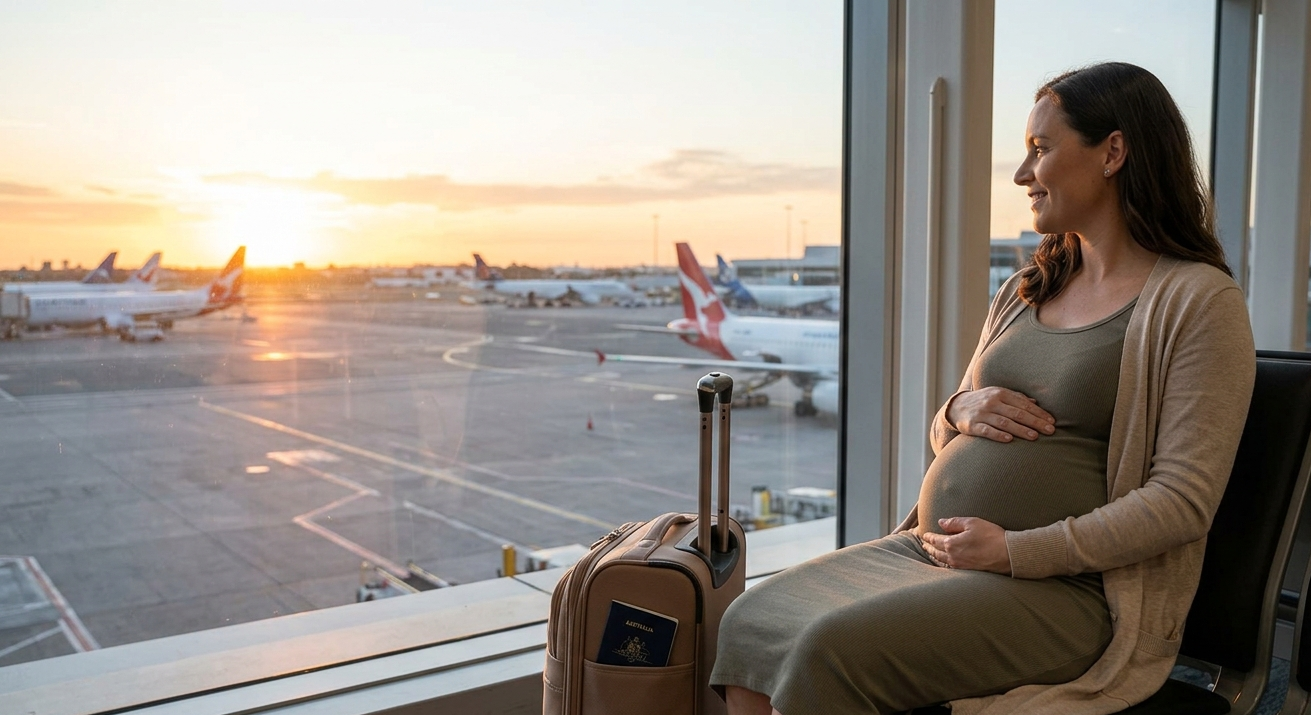
You don’t suddenly stop being a person who loves to travel just because you’re pregnant. Sure, you may not be able to party in Ibiza or trek the Himalayas, but it’s possible to have great trips abroad during pregnancy.
All it takes is a little planning. You’re going to have to think for two, remember. If you don’t think about the important details, a stress-free trip to the beach can turn into a nightmare real fast. But don’t worry; this list of do’s and don’ts will cover what you really need to cover before travelling
Before You Book: Quick Reality Check
Pregnancy travel is usually possible, but advice isn’t always generic or “one size fits all”. The safest plan needs to match your health, and that’s always going to be an individual thing. Consider your trimester, the destination you have in mind, any issues you’ve had during pregnancy and ask yourself: Is this trip a responsible thing to do?
Talk to your care providers and doctors, specifically about the risk for travel. Go into the specifics, where you’re thinking of going, any vaccines that may be required, the health advice for that country and any medical red flags that only a health professional might be able to predict.
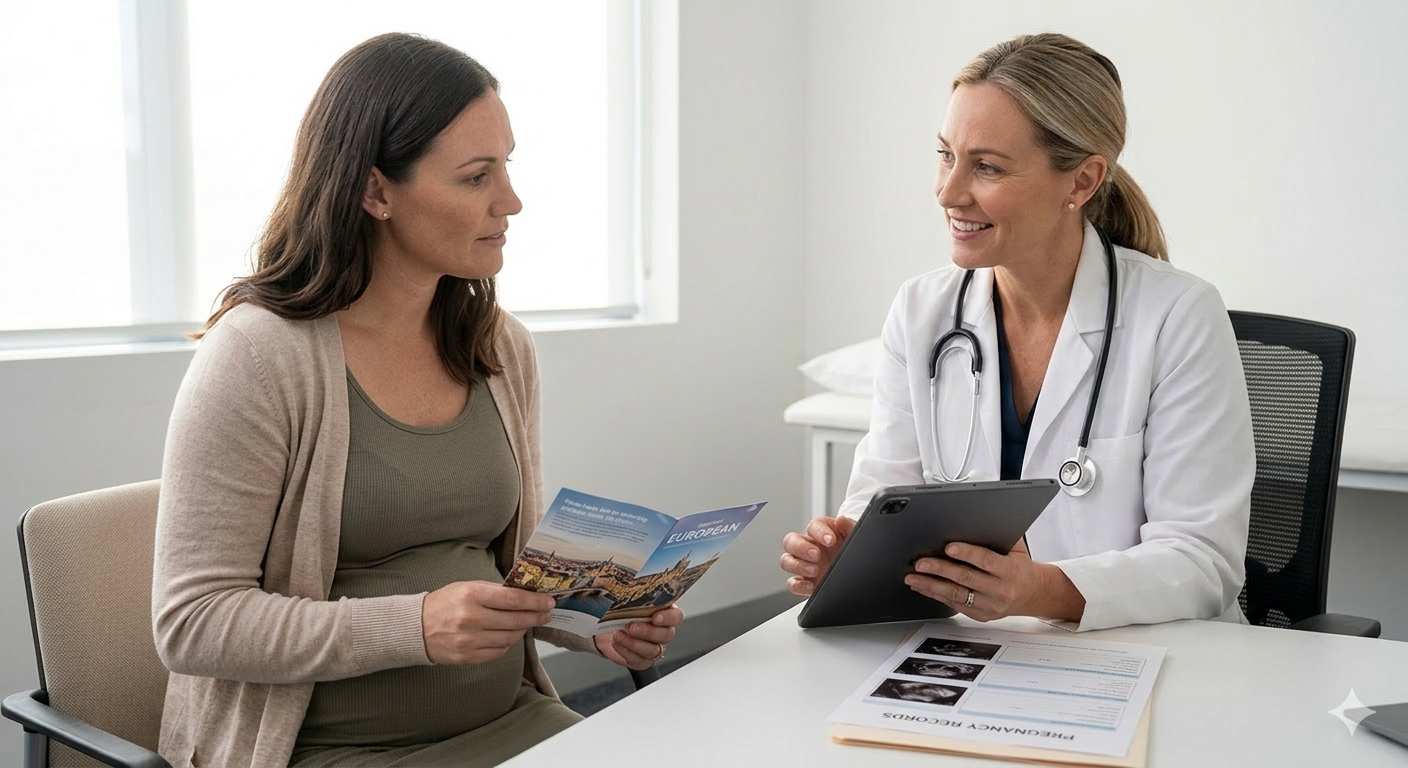
There are general warning signs that you need to consider. For example, high blood pressure, placenta issues, carrying twins, or other preterm labour signs may all point to perhaps having to forego that trip abroad.
Don’t scare yourself into not going, but be realistic about your capabilities, too. It’s okay to save that trip for another time, but it’s also very likely that going abroad will be perfectly safe for you and the baby.
The Big Do’s and Don’ts
Once you’ve booked that holiday abroad, it’s time to think about the big do’s and don’ts, the absolute musts that can make or break your trip.
Do: Carry a Travel Pack
This is going to put a big ‘pregnant’ sign above your head, but it’s important to carry a travel pack built specifically for your pregnancy.
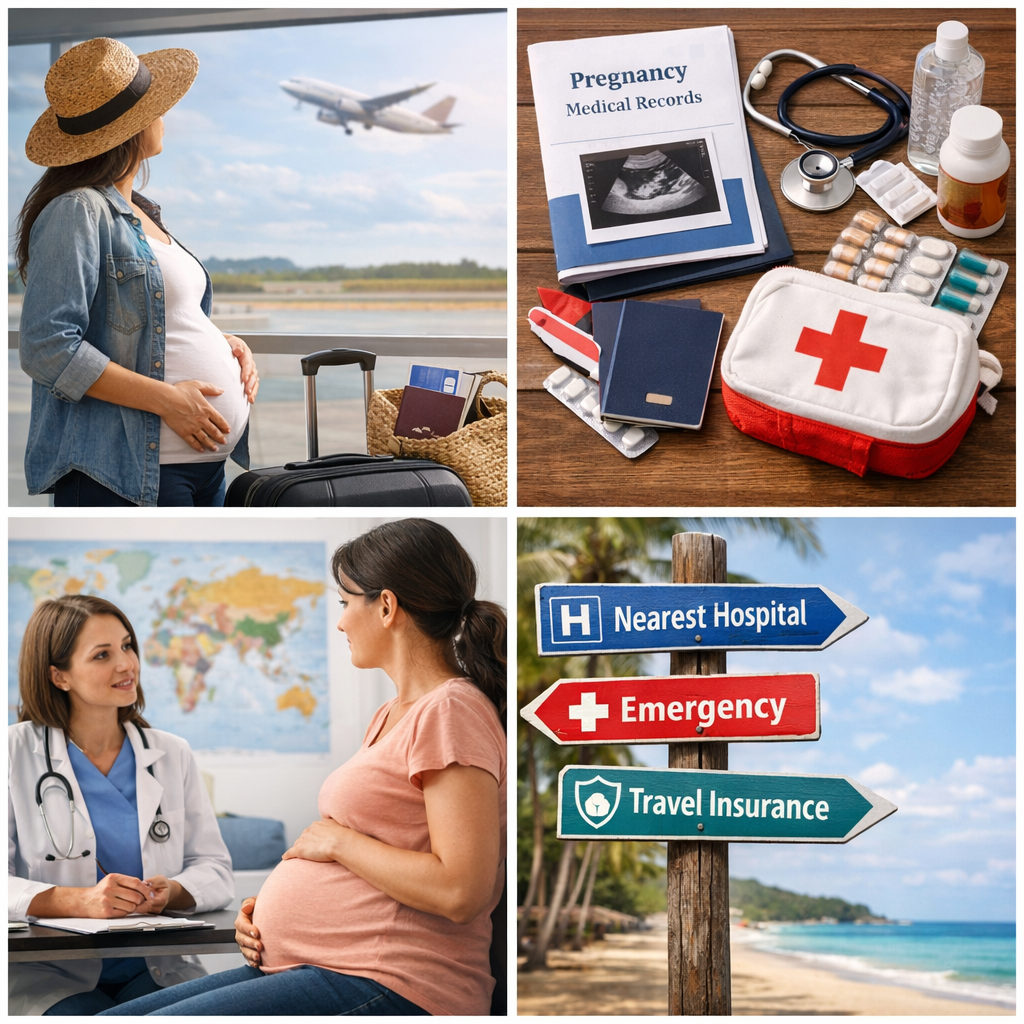
You need to have print copies of the pregnancy records summary, just in case you need them. Include your healthcare provider’s contact details and any medications that you need.
You should also carry enough meds to last you a little bit longer than your planned trip. You never know if a delay or cancellation is going to affect you. On top of that, have a basic first aid kit with pain relief medication (if you’re allowed!), antacids, bandages and hand sanitiser.
Do: Plan for Hydration and Movement
You really need to focus on ensuring you avoid sitting down for long periods. This can increase swelling and blood clot risk, and you want to do everything you can to avoid this.
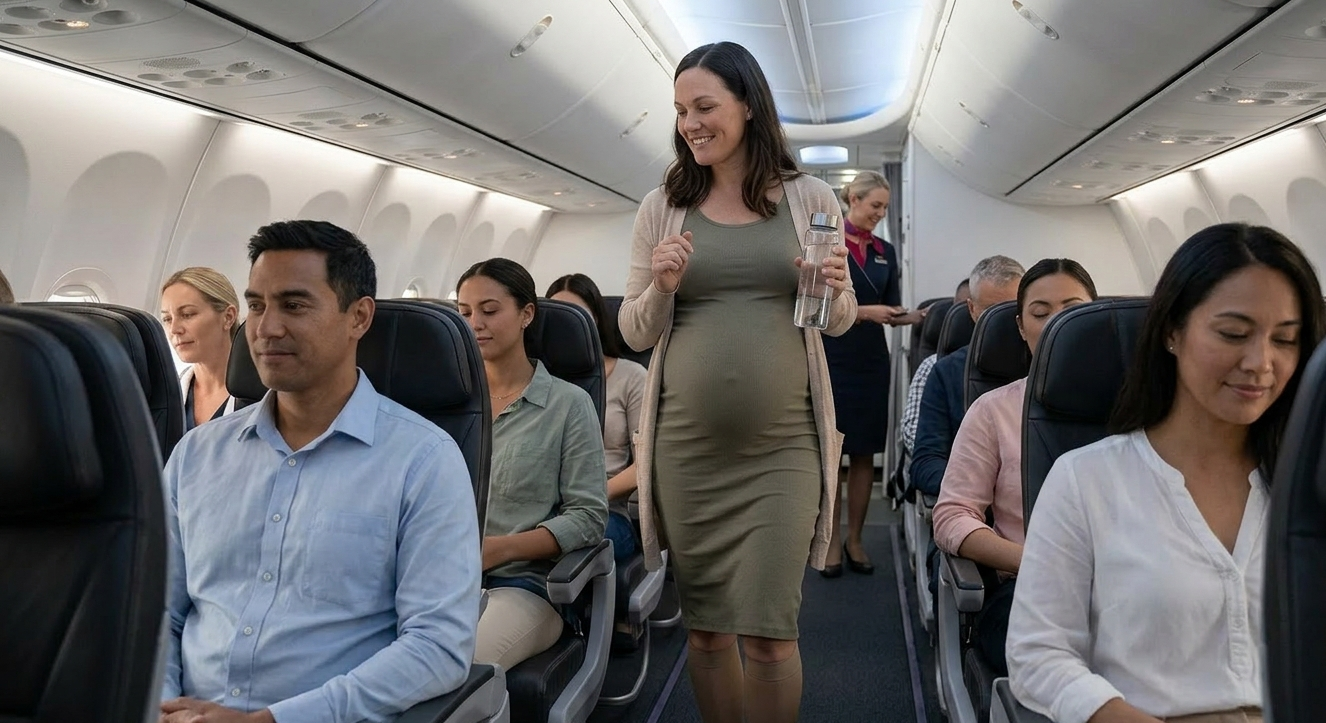
Luckily, it should be quite easy to do. Build in movement breaks and stretch time. When you’re on the aeroplane, walk around every once in a while. If you’re travelling with someone, get them to give you a gentle nudge to get up every hour or so. Talk to your health professional about the wear and necessity of ‘pressure socks’, are they advisable for you - why/why not?
Do: Have Emergency Information
Whether you’re at home or abroad, it's important to have in the back of your mind that an emergency might pop up. It doesn’t even have to be related to your pregnancy, so this tip is also applicable to any other holiday.
If something happens, you don’t want to be scrambling around trying to find emergency numbers. They should be easily accessible and ready to go. You need to have the nearest hospital with maternity care etched in your mind, ready to give to a taxi or your hotel. Have a translation with instructions to hand if you’re in a country where English isn’t commonly spoken.
Do: Have Adequate Travel Insurance
You don’t want to leave the country with a hefty hospital bill. Insurance is one of the most important pre-trip items you need to tick off the list. You want something more than just generic travel insurance.
Check that you’re covered for any complications during pregnancy. If you deliver early, for example, it can be very expensive. Double-check that your newborn is also covered, should you go through labour unexpectedly.
Do: Think About Your Destination
Some places are far easier than others for pregnant women. If you have the option, consider a staycation. Would that be more appropriate, considering your trimester?
Otherwise, favour places that have strong healthcare systems. Big cities can be easier than remote resort areas, for example. Also consider infectious disease risk, as some countries or areas may have alerts for illnesses and viruses such as the Zika virus.
Also think about the usual things that you tend to struggle with during trips abroad. For instance, does the heat really bother you? This will go up another level during pregnancy. High altitude tends to feel even harder.
Don’t: Ignore Symptoms
The last thing you want to do during a trip abroad is to just ‘push through’. Listen to your body, and be honest with yourself. This isn’t designed to scare you, remember that. But if you notice a severe headache, any bleeding, or reduced baby movement, treat it very seriously.
This is particularly important if you’re away with a group of others, whether it’s family or friends. We tend to downplay symptoms in such situations, not wanting to ‘ruin’ the experience for the rest.
Don’t: Choose Remote Locations Without a Backup Plan
It’s unlikely you will need medical attention during your trip, but it’s a possibility. We recommend choosing a location that is close to a proper hospital and with good transport options.
When something happens, you don’t want to be two ferries away from a proper medical facility. If you are going to be away from the big cities, weigh up the risks very carefully (and be extra prepared!).
Don’t: Push Yourself Beyond Your Limits
You’re pregnant, you’re not your old normal right now. This doesn’t mean you can’t travel, but it does mean that you need to set some ground rules. Don’t overdo it, and have an activity list that fits your condition.
Skip anything that has a high fall risk or hard impact. Skip the activities that are new and intense, even if they’re meant to be low risk. Go for the gentle ones, like swimming, walks or pregnancy-friendly yoga.
Peace of Mind is the Goal, Not Perfection
The list of do’s and don'ts is a bit of a read, but the goal is peace of mind before you travel, not giving you a panic attack before you even step on the aeroplane.
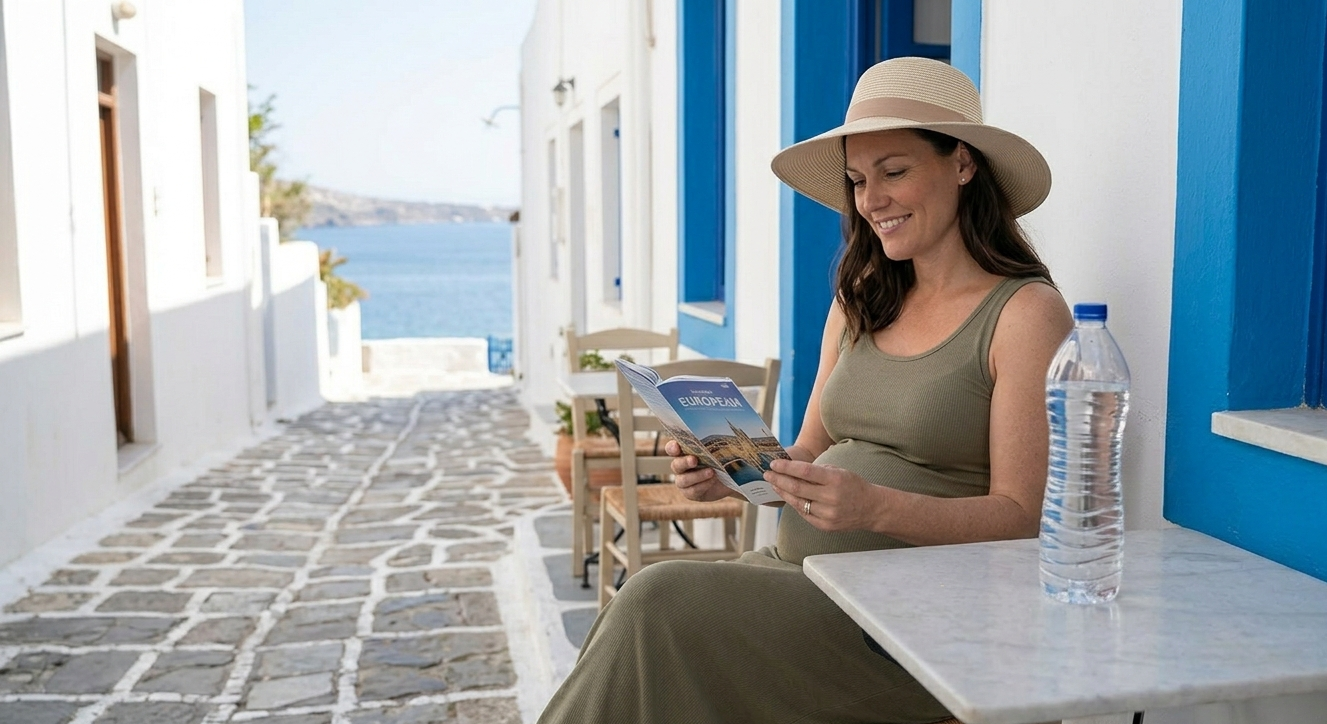
In all likelihood, everything will go without a hitch. Sure, it will not be like your usual holiday. Yet with a little extra preparation, it’s possible to have an excellent trip abroad with few issues.
Cover the big ticket items like healthcare access and insurance READ the fine print. Don’t add too much to your plate, pacing should be realistic according to your stage of pregnancy. The rest is important, of course, but don’t worry about the small stuff.